
Last updated September 20, 2026
Full 25-point door and opener safety check with every visit - springs, cables, rollers, tracks, and your LiftMaster or Chamberlain opener included
You get a price before we start. It does not change when the truck arrives.
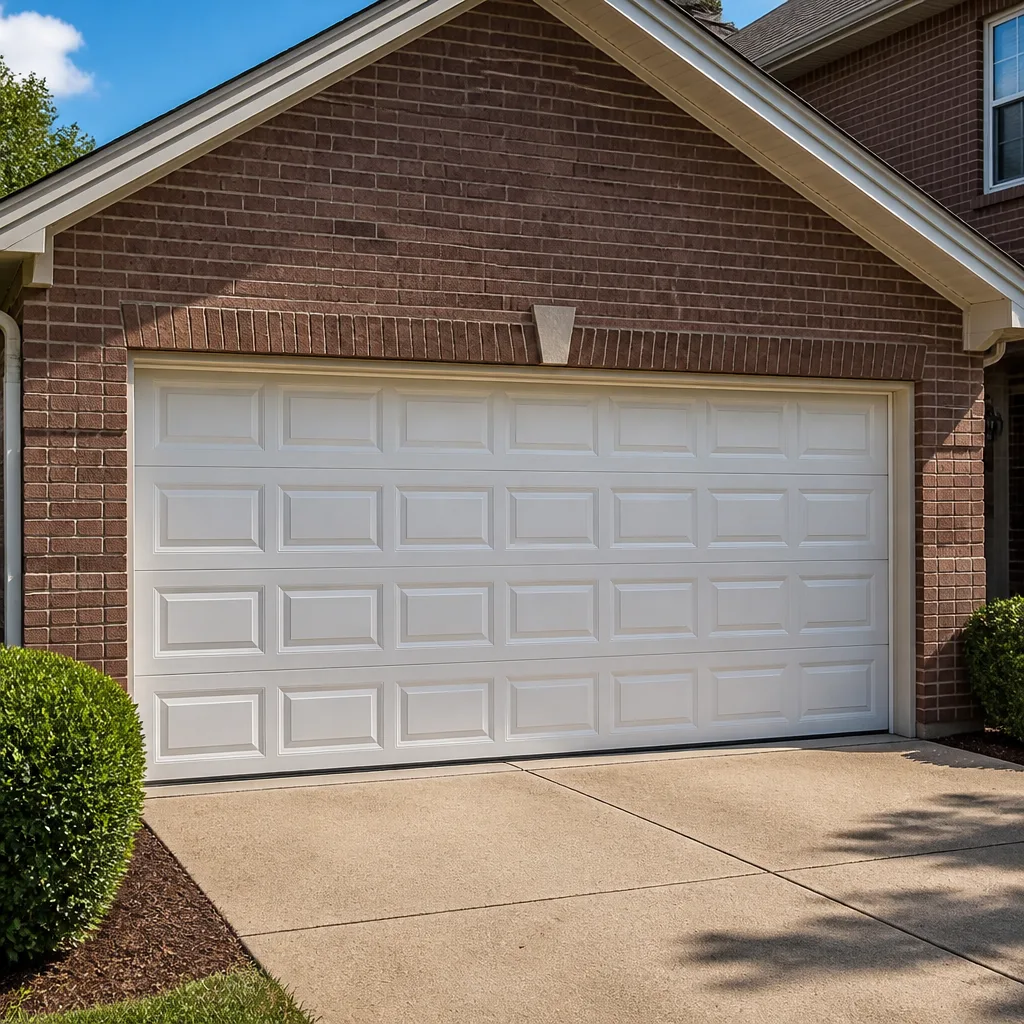
Carriage house
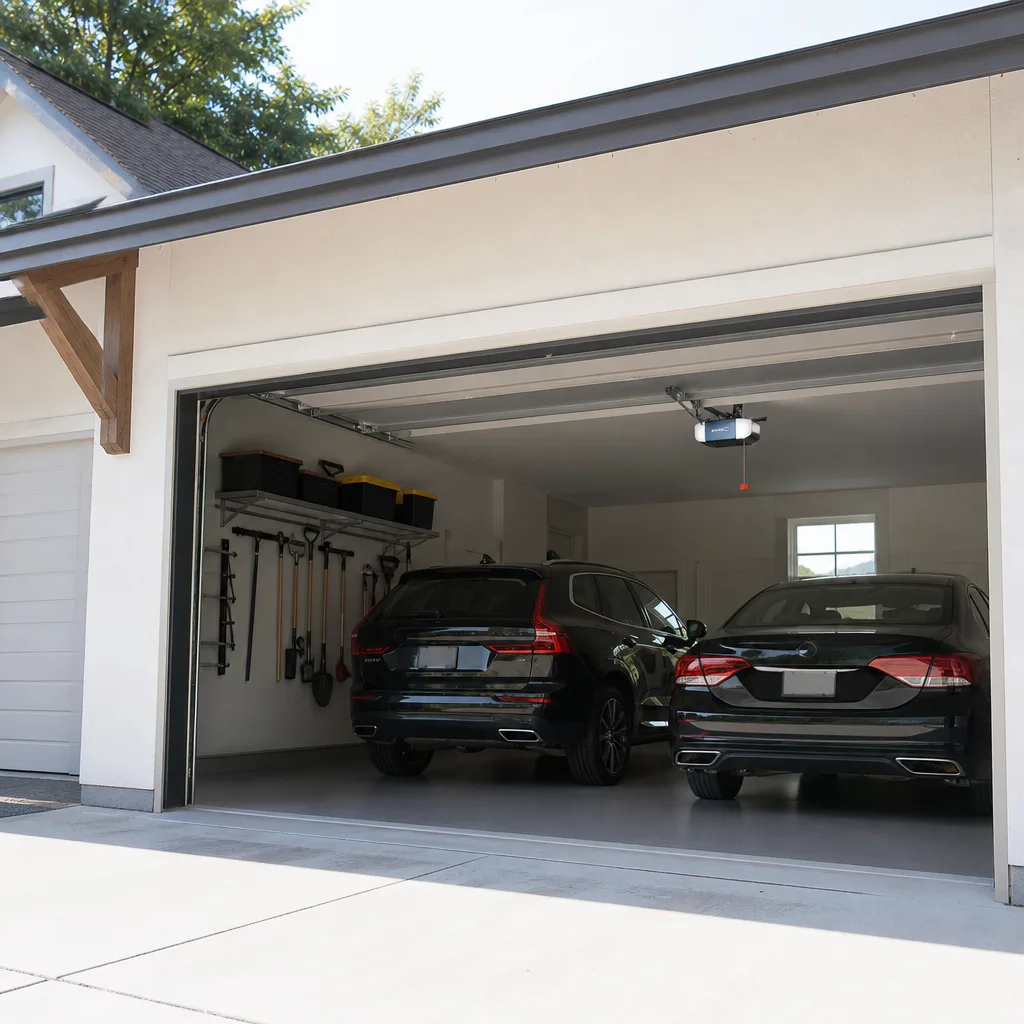
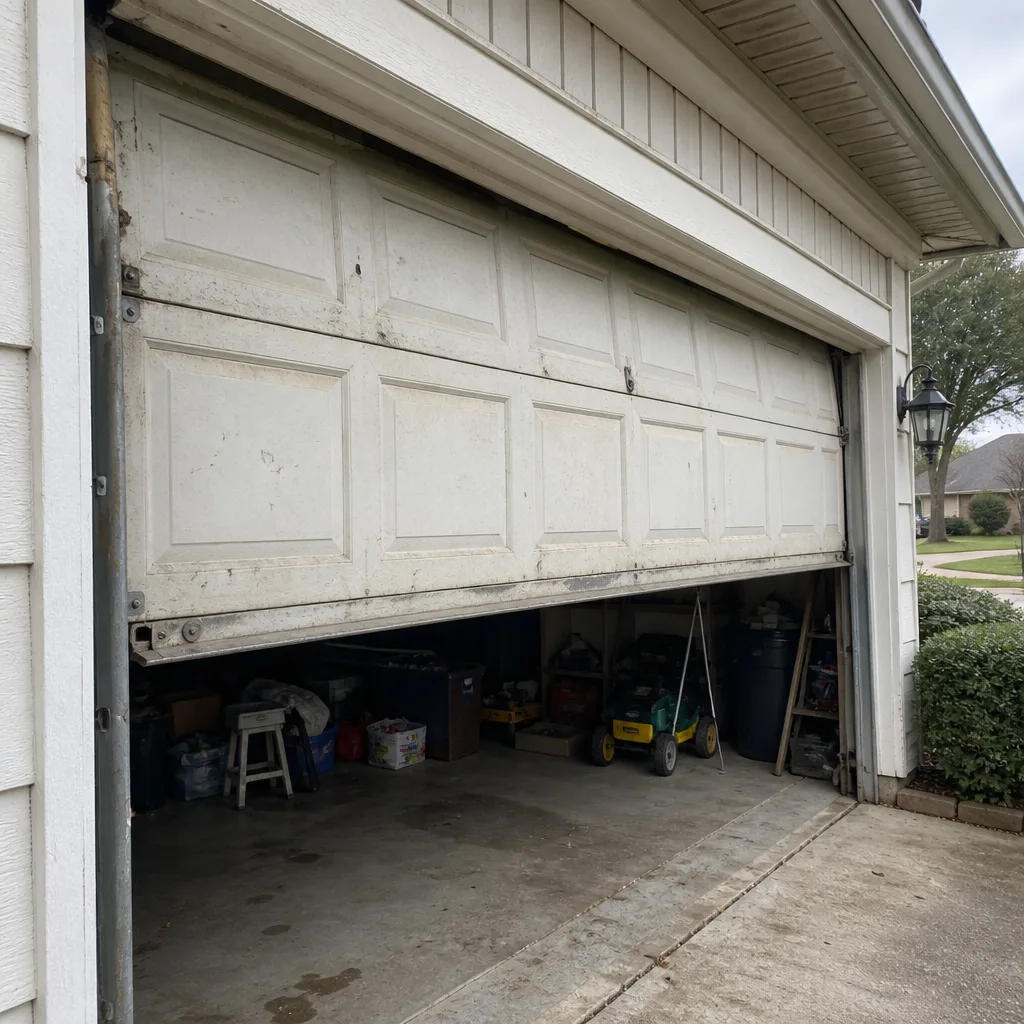 Before
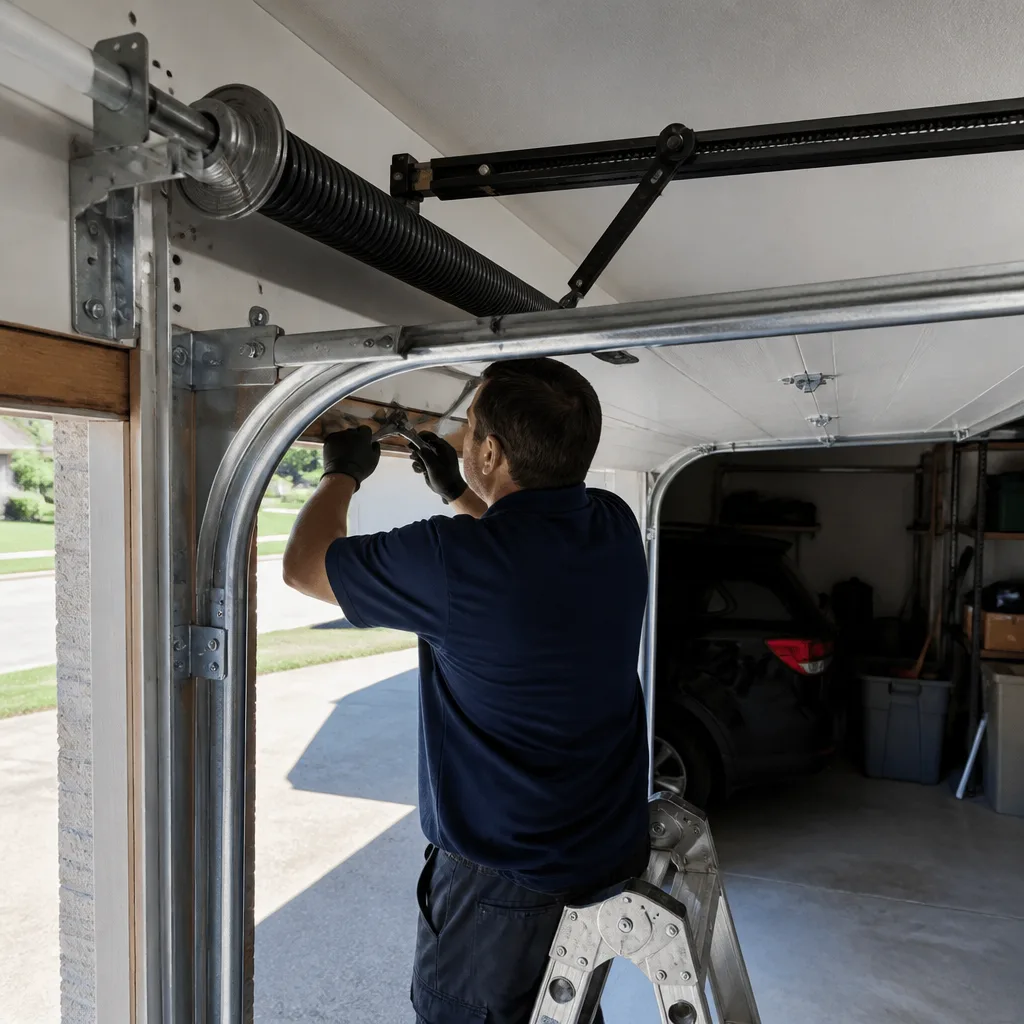 After
After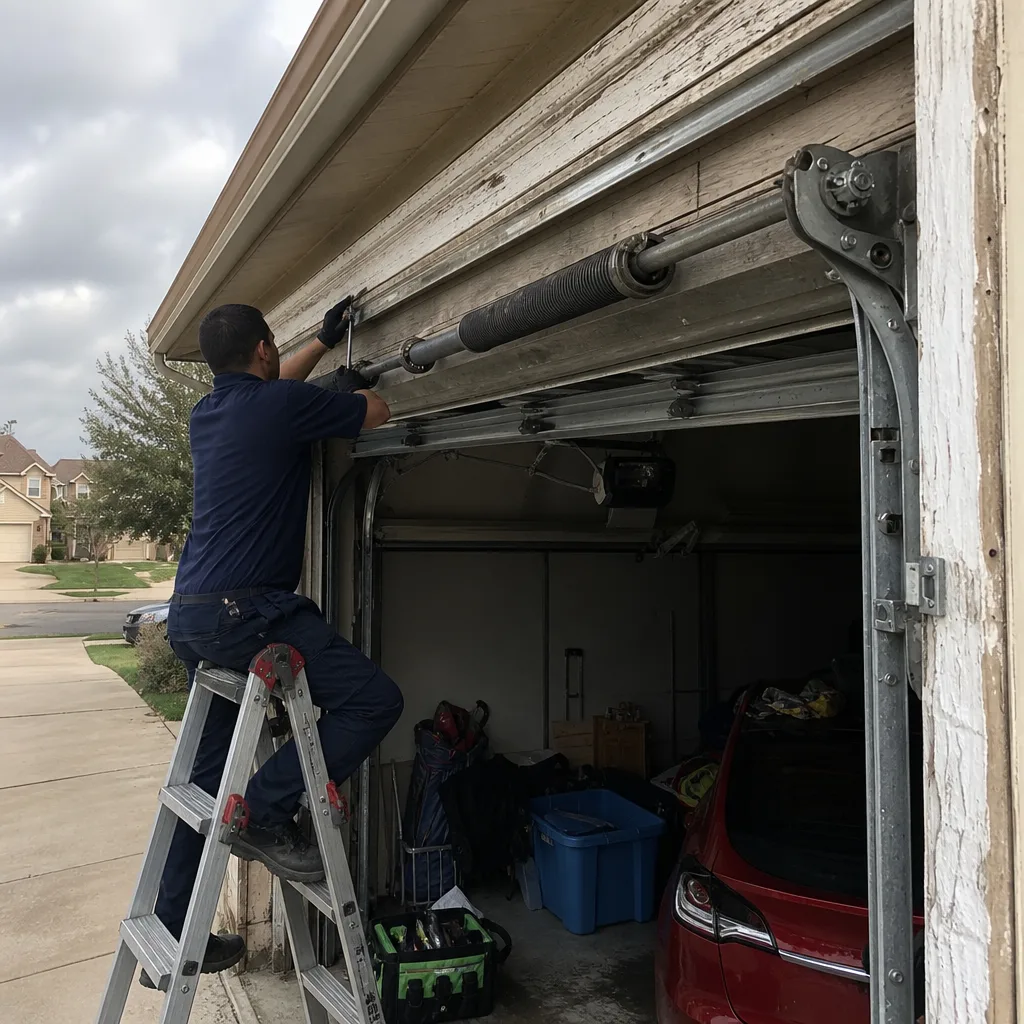 Before
 After
After Before
 After
AfterGarage Door Permits, Codes & Inspections in TX: What You Need to Know
Most Texas homeowners assume any garage door work requires a permit. The truth is narrower than that, and getting the narrow part wrong is where the expensive problems live. A straightforward panel or spring swap on an existing opening rarely triggers a city permit in Allen, but touching the header, widening the opening, or running new opener wiring often does. This guide covers the Texas Building Code angle, Allen’s layered municipal requirements, HOA approval tracks, and how to verify a previous owner’s work before you buy. If you live in Allen and are planning door work, this is the paper trail you need, and you can find more guides & resources on our blog.
Quick Answer
A like-for-like garage door replacement in Allen, TX typically does not require a city permit because it does not alter the rough opening or structural framing. A permit is generally required when you modify the header, change the rough opening size, alter load-bearing framing, or add new electrical wiring for an opener. HOA architectural approval is a separate track and can block your project even after the city signs off.
Table of Contents
- What the Texas Building Code Says About Garage Doors
- City of Allen Requirements: Structural vs. Cosmetic
- When an Opener Installation Triggers an Electrical Permit
- HOA Architectural Review: The Parallel Approval Track
- How to Verify Prior Garage Door Work on a Home You’re Buying
- What the Inspection Process Actually Looks Like in Allen
- Common Mistakes to Avoid
- When to Call a Professional
- Frequently Asked Questions
- The Bottom Line
BeforeAfterWhat the Texas Building Code Says About Garage Doors
The Texas Building Code, which adopts the International Residential Code with state-specific amendments, addresses garage doors primarily through Section 1406 and the referenced sections on wind load and fire separation. Section 1406 requires garage doors to be tested and labeled for wind pressure resistance when installed in designated wind zones. Collin County sits outside the hurricane windborne debris region that governs the Gulf Coast, but Allen is still subject to the standard wind load provisions that apply to all of North Texas.
For a residential homeowner, the practical meaning is straightforward: the door you install must be rated for the wind zone Allen is in, and that rating must be on the door’s label. Most major manufacturers, including Clopay and Amarr, ship doors pre-labeled for Texas wind zones. A replacement-in-kind swap that keeps the existing rough opening, existing header, and existing track configuration does not trigger a structural permit under state code. The code cares about what changed structurally, not that a door was replaced.
Here’s where the state-level rule sharpens:
- Replacing panels, springs, rollers, cables, or the door itself within the existing rough opening: no state-level permit required.
- Modifying the rough opening width or height: permit required, because the header, king studs, and jack studs carry the load above the opening.
- Replacing or altering a load-bearing header: permit required, full structural review.
- Adding a new garage door where no opening existed: permit required, along with foundation and shear wall review depending on the wall type.
In our experience across garage door installation in Allen, the most common state-code misread is the header. Homeowners think a new door means a new opening. It doesn’t. The rough opening, framing, and header are what the city permits, not the door panel itself.
City of Allen Requirements: Structural vs. Cosmetic
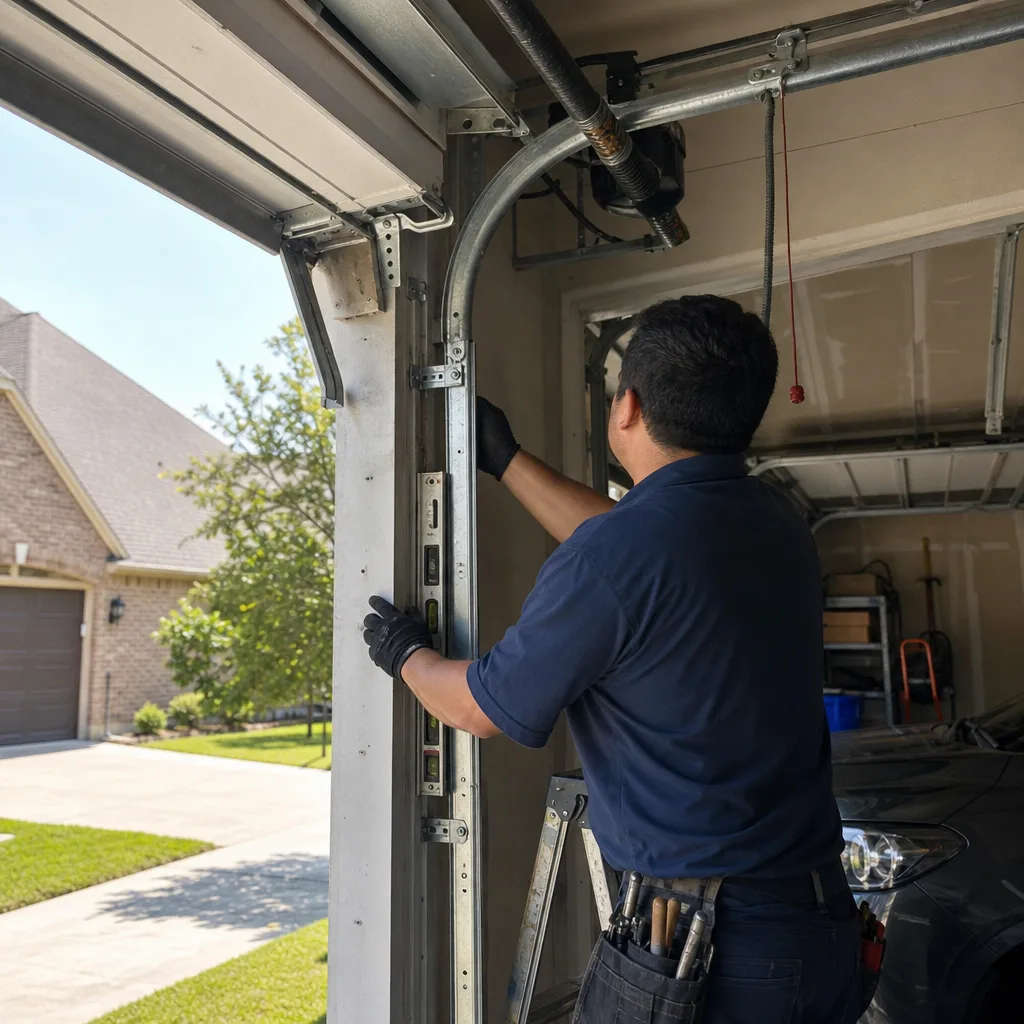
The City of Allen Development Services office enforces its own layer of requirements on top of state code. Allen adopts the International Residential Code with local amendments, and the distinction that matters most for garage doors is structural versus cosmetic. The city’s position is consistent with what we’ve seen on garage door repair jobs across Allen: cosmetic work on an existing opening doesn’t need a city permit. Structural changes do.
Here’s how Allen sorts the two buckets in practice:
- Cosmetic, no permit: replacing a door panel with a door of the same size in the same rough opening; replacing springs, cables, rollers, hinges, and tracks; replacing weatherstripping and trim; replacing an opener with a like-for-like model using existing wiring.
- Structural, permit required: enlarging the rough opening; altering the header beam or header support; removing or moving a load-bearing wall segment; adding a new garage door opening; converting a carport to a garage.
- Electrical, permit required in specific cases: running a new circuit, adding a new outlet, or hardwiring a new opener where no power exists at the location.
Allen also enforces the state’s wind load labeling requirement. If you install a new door in Allen, the city inspector will want to see the manufacturer’s wind load label on the door itself. Doors from major manufacturers including Genie and Chamberlain suppliers typically arrive with the label affixed. On a permitted structural project, the inspector also checks flashing, weatherstripping installation, and the method of mounting lags into the jamb and header blocking.
When an Opener Installation Triggers an Electrical Permit
The distinction here trips up more Allen homeowners than any other part of the garage door process, and ignoring the Garage Door Warning Signs: A Allen Homeowner’s Reference Guide can make it worse. Here’s the rule in plain terms: if the electrical work is limited to plugging a new opener into an existing ceiling receptacle, no electrical permit is needed. If the installation requires new wiring, a new circuit, a new receptacle, or moving the outlet, then an electrical permit is required, and the city of Allen wants a licensed electrician on the work order for that portion.
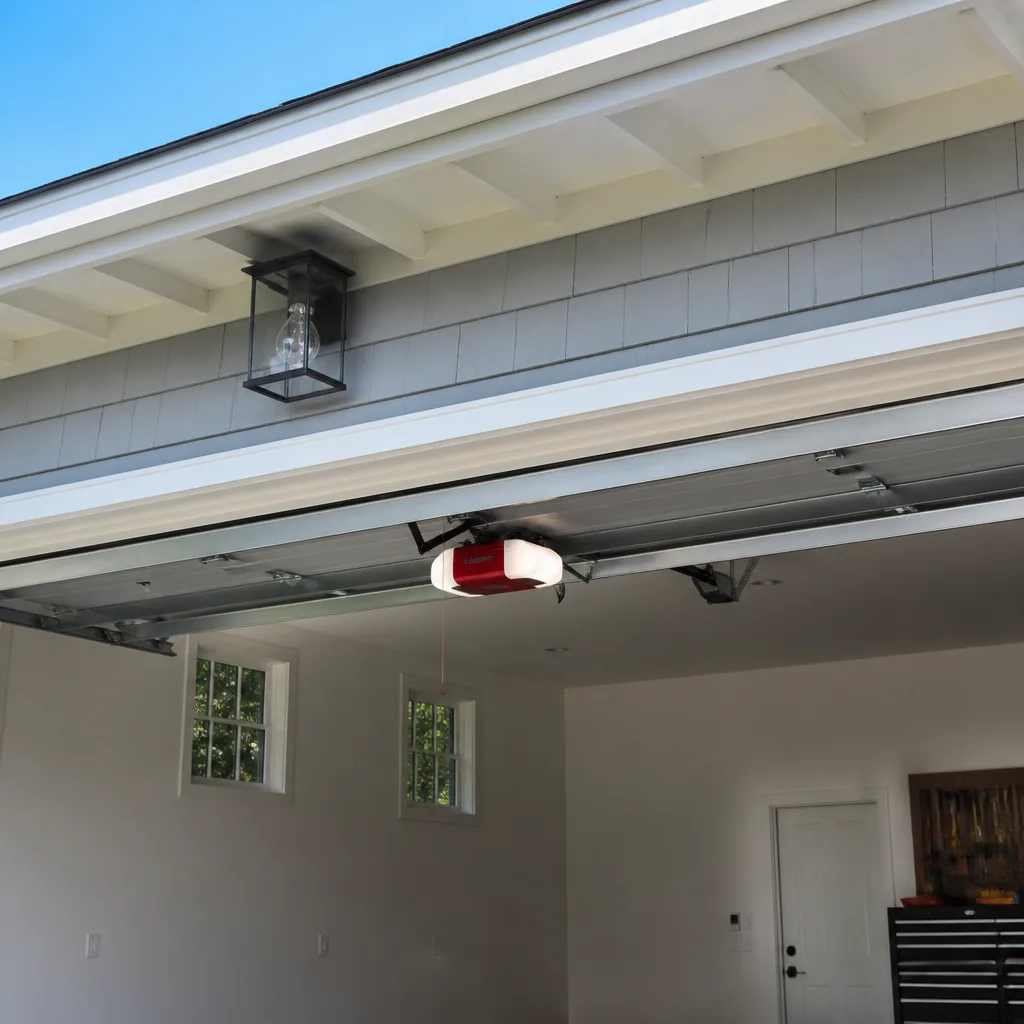
Most modern opener replacements fall into the first bucket. The previous opener left a receptacle in the ceiling, and the new LiftMaster or Chamberlain unit plugs into it. Swapping the opener itself is mechanical work, not electrical work. The garage door technician can do it without an electrical permit.
But here’s what changes the equation:
- No existing receptacle where the opener needs power. Adding one means new wire run, new box, and a permit.
- The existing receptacle is on a circuit that is already at load capacity. Adding an opener to an overloaded garage circuit can require a new dedicated circuit, which means a permit.
- The opener is a hardwired commercial-style unit rather than a cord-and-plug residential model. Hardwired installations are treated as permanent electrical work and require the full electrical permit path.
- The work involves running wire through walls or across insulated ceiling spaces. This is electrical work, not garage-door work, and the city inspects it as such.
We flag this on our Allen job walkthroughs because it’s the part where a bid from two different companies can look $400 apart with no explanation. The difference is usually whether the electrician’s permit and labor were included or assumed away. When we quote a garage door opener repair or installation in Allen, the written scope states whether an electrician is on the work order. If the answer is no, the reason is written next to it. Clause 1 of The Haven Standard is exactly this: a flat, written price and written scope before any work starts.
HOA Architectural Review: The Parallel Approval Track
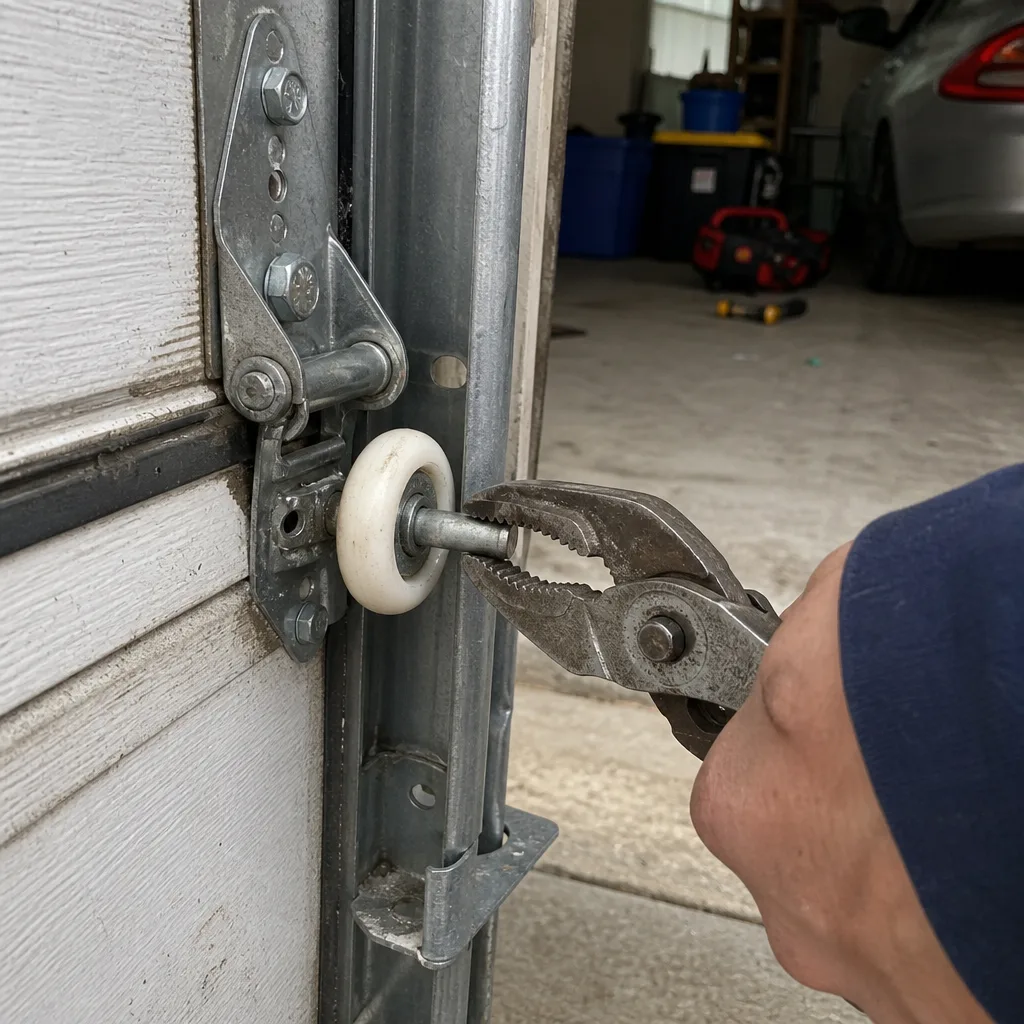
Allen has a high density of HOA-governed neighborhoods: Twin Creeks, Watters Crossing, Star Creek, Waterford Parks, and others. Each HOA runs an architectural review process that operates independently of the City of Allen permit path. The city does not check with your HOA, and your HOA does not check with the city. You can clear one and get blocked by the other.
In practice, HOAs in Allen enforce what the city considers purely cosmetic. Your HOA will care deeply about door color, panel style, window lites, and material. The city will care about header integrity, wind load labels, and electrical runs. They have different jurisdictions, different timelines, and different appeal processes. And here’s the part people miss: an HOA architectural committee can require the new door to have a specific look that costs real money, even after you have a city permit in hand for the structural side.
Before you sign anything for a door replacement in an Allen HOA neighborhood, do this in order:
- Pull your HOA’s architectural guidelines. The section on garage doors will list approved colors, materials, and any approval window you need to work inside.
- Submit your architectural review request before ordering the door. Door lead times vary by manufacturer; Clopay and Amarr doors can run weeks in some styles.
- File the city permit, if one is required, in parallel. The city’s review and the HOA’s review run on separate calendars.
- Get both approvals in writing before scheduling the install date.
One Allen-specific nuance: some of the newer HOA-governed communities adopted restrictive door standards specifically after a run of mismatched replacements during the 2020-2022 building boom. If you own in an HOA that revised its architectural guidelines recently, don’t assume the door your neighbor installed in 2019 is still approvable in 2026.
How to Verify Prior Garage Door Work on a Home You’re Buying
This section matters if you are under contract on an Allen home, or about to be. The seller’s disclosure form will tell you some things, but it rarely captures whether a garage door replacement was permitted, because many sellers genuinely don’t know. Here’s how you find out before closing, and what the terms on a title search actually mean.
Start with the City of Allen’s permit portal. Development Services maintains records searchable by address. Enter the property address and pull every permit on file for the last ten years. Look for any of these entries:
- Structural or building permit with the word “garage” in the scope description
- Electrical permit tied to the garage circuit
- Final inspection sign-off dates that postdate the door installation
Now the three terms you’ll see and what each one means for you as a buyer:
- Permitted and inspected: the project pulled a permit, work was done, and the city performed a final inspection with a pass. This is the clean state.
- Permitted but not inspected: a permit was pulled, but no final inspection is on record, or the final inspection failed or was never scheduled. The city considers the work incomplete from a code enforcement standpoint, and this is a cloud on the property until closed out.
- Unpermitted: no permit record exists for work that the city would have required a permit for. This is the situation from our opening hook: the buyer discovered it at closing, and the seller had to either pay to retroactively permit the header work or take a price concession.
The retroactive permit path in Allen is not a rubber stamp. A structural modification that was never inspected will require exposing the header and connections for an inspector to view, which can mean opening drywall and redoing the work. The retroactive cost is often double or triple the original permit fee and inspection cost would have been. If you are buying and your inspector flags anything structural around the garage, ask the seller to close the permits before closing, not after.
What the Inspection Process Actually Looks Like in Allen
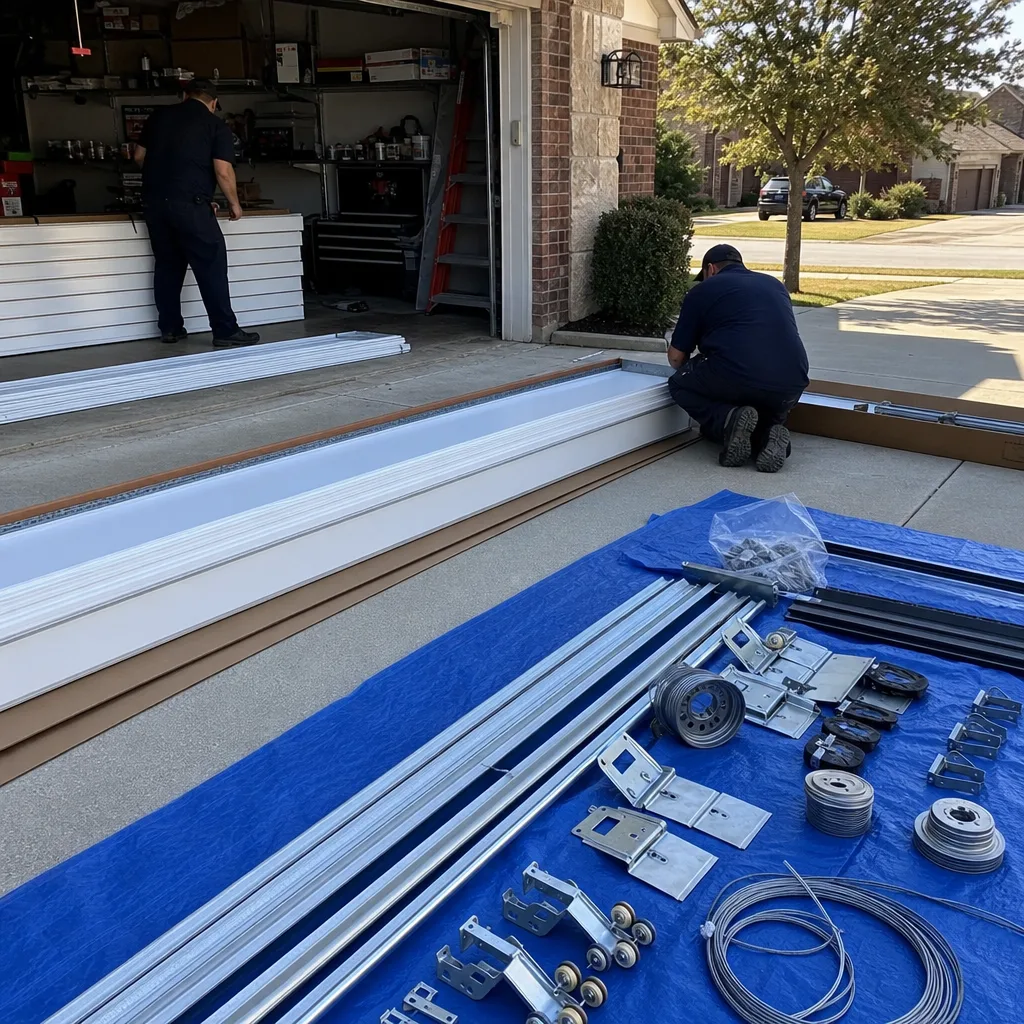
If your project does require a permit, the City of Allen inspection sequence is predictable, and it pays to know it going in. For a structural garage door project such as a header replacement or rough opening modification, the typical sequence runs like this:
- Plan review. You submit drawings, including the header calcs if the original header is being altered. Allen reviews for IRC compliance and local amendments.
- Rough opening inspection. The inspector checks the framing, header size, bearing points, and the condition of the connections before any finish work hides it.
- Door installation inspection. The inspector verifies the wind load label on the door, the weatherstripping, the flashing, and that the door operates correctly.
- Final electrical inspection, if applicable. Confirms the receptacle, circuit, and any hardwired connection meet NEC requirements.
- Final sign-off. The permit is closed, and the work is on record with the city as inspected and approved.
One observation from doing this work in Allen: inspectors here are thorough on one point many homeowners don’t expect, which is the wind load label on the door itself. If the door label is painted over, removed, or missing, the inspection can fail. We photograph every label as part of our documented photo record on each visit, so the evidence is in the customer’s file whether or not the inspector asks for it later. Clause 4 of The Haven Standard is the reason the photo exists: the customer sees what we saw, before any quote for replacement work is presented.
For the far more common no-permit replacement in Allen, there’s no city inspection at all. That’s why the workmanship standard you hire matters. A door installed without a permit still has to be balanced, level, properly lagged into the framing, and routed cleanly. No inspector will catch a lazy install on a no-permit job, which is the entire reason the 365-Day Done Right Promise exists. If it’s not done right, we make it right, and it’s in writing on our terms page.
Common Mistakes to Avoid
- Assuming a new door always needs a permit. A like-for-like swap in the same rough opening doesn’t. You’ll waste time and money pulling a permit the city didn’t ask for.
- Assuming new opener wiring is always permitted. A plug-in opener swap on an existing receptacle needs no electrical permit. New wire run does. Mixing these up is the most expensive confusion in Allen garage work.
- Checking the city but skipping the HOA. Allen HOAs block door projects on aesthetic grounds even after the city approves the structure. Two tracks, two approvals, both in writing.
- Accepting “permitted but not inspected” on a title as a closed item. It’s not closed. It’s a code enforcement cloud until the final inspection passes, and the seller should fix it before closing.
- Relying on a verbal quote for a job that may need an electrician. If the scope doesn’t state whether an electrician is on the work order, the price you were quoted might not include the part that actually requires the permit.
- Painting over the wind load label during a door repaint. Allen inspectors check for that label on permitted jobs, and a missing label can fail an inspection. Mask it off before painting.
- Ordering a door before HOA approval clears. Door lead times work the other way: get the HOA approval, then order, not the reverse.
When to Call a Professional
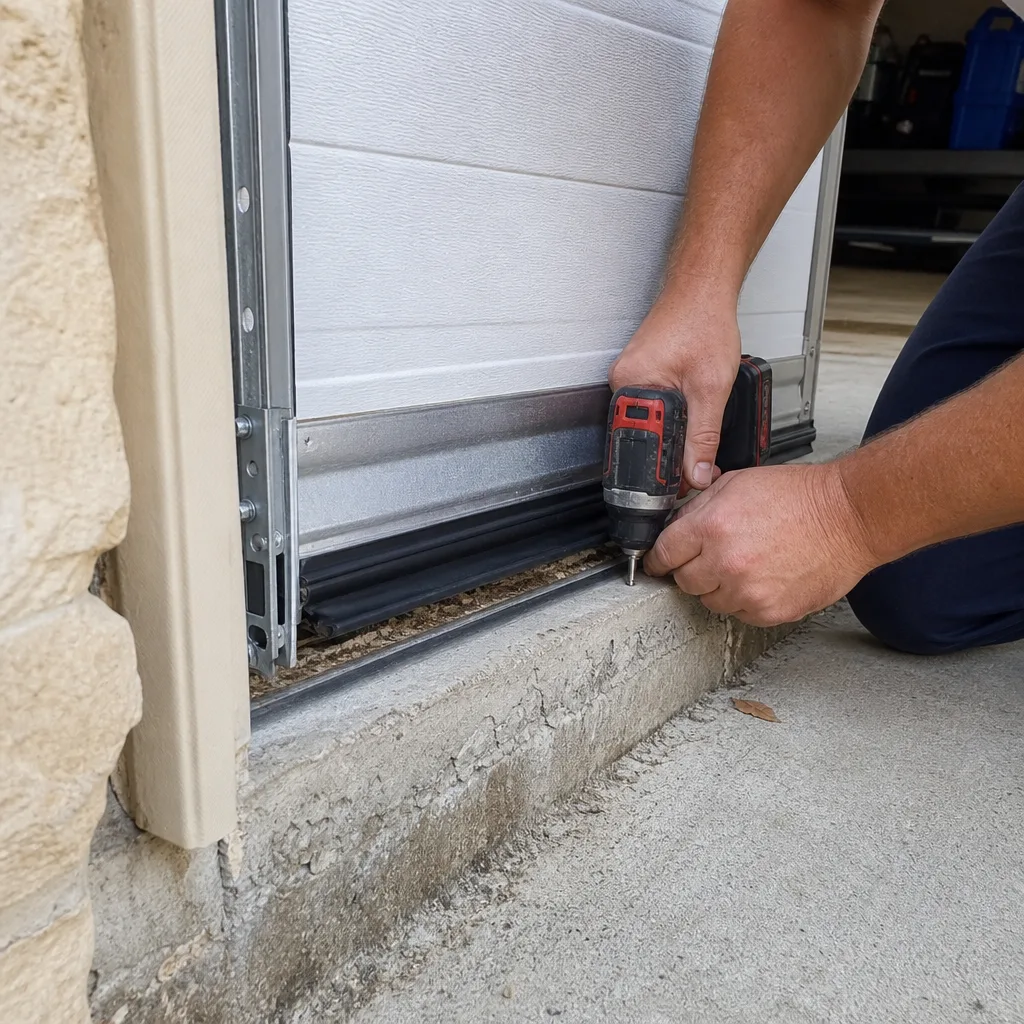
If the work touches the header, changes the rough opening, or adds new wiring, that’s the threshold where you want a contractor who can document what’s being done and why it does or doesn’t need a permit; see our How to Hire a Garage Door Contractor in Allen: A Step-by-Step Guide for what to look for. A structural mistake on a garage door opening in Allen means a failed inspection now or a failed sale inspection later. Servo Garage Doors Allen offers free estimates in Allen, and every quote includes a flat, written price and written scope before any work starts. Call (469) 613-4703 to schedule one. If you have a competing written estimate, bring it, and we’ll give you a free second opinion on it.
Frequently Asked Questions
No, if you’re replacing the door with a like-for-like unit in the same rough opening and not modifying the header or structural framing. A replacement-in-kind is considered cosmetic by the City of Allen and does not require a city permit. Call (469) 613-4703 if you want a written confirmation of your specific situation at no cost.
In Allen, permit fees for structural garage door work are based on the project valuation and typically run from $75 to $300 for most residential header or rough opening modifications, not including any electrical permit if new wiring is involved. The exact fee depends on the scope, and your contractor can line-item it in a written estimate. We quote the total flat price before any work starts, so the permit fee is never a surprise line item.
Yes, Texas law allows a homeowner to install a like-for-like garage door on their own primary residence without a permit, as long as no structural changes or new electrical wiring are involved. The work still has to meet code, including proper anchoring and wind load labeling, and an improper install on torsion springs is genuinely dangerous: the spring tension can cause serious injury if it releases unexpectedly. We recommend a trained professional for any spring work, even on a no-permit replacement.
The two approvals are independent, so there’s no required order, but practically you want HOA approval first because HOAs in Allen often restrict door color, style, and material in ways the city does not. You can clear the city permit and then get blocked by your HOA architectural committee. File both early and get both in writing before ordering an Amarr or Clopay door with a production lead time.
It means someone pulled a permit for the work but no final inspection was ever completed or passed, so the City of Allen considers the project open and not code-compliant. It’s a title cloud that a buyer’s inspector can flag at resale, and closing it retroactively can mean exposing the header or wiring for inspection after the fact. If you’re buying, make the seller close the permit before closing.
Only if new wiring, a new circuit, or a new receptacle is part of the installation. Plugging a new LiftMaster or Chamberlain opener into an existing ceiling outlet is mechanical work, not electrical work, and typically needs no electrical permit. If we see new wiring is required during the walkthrough, the written scope states it and an electrician is on the work order with the permit path identified before you approve the price.
The Bottom Line
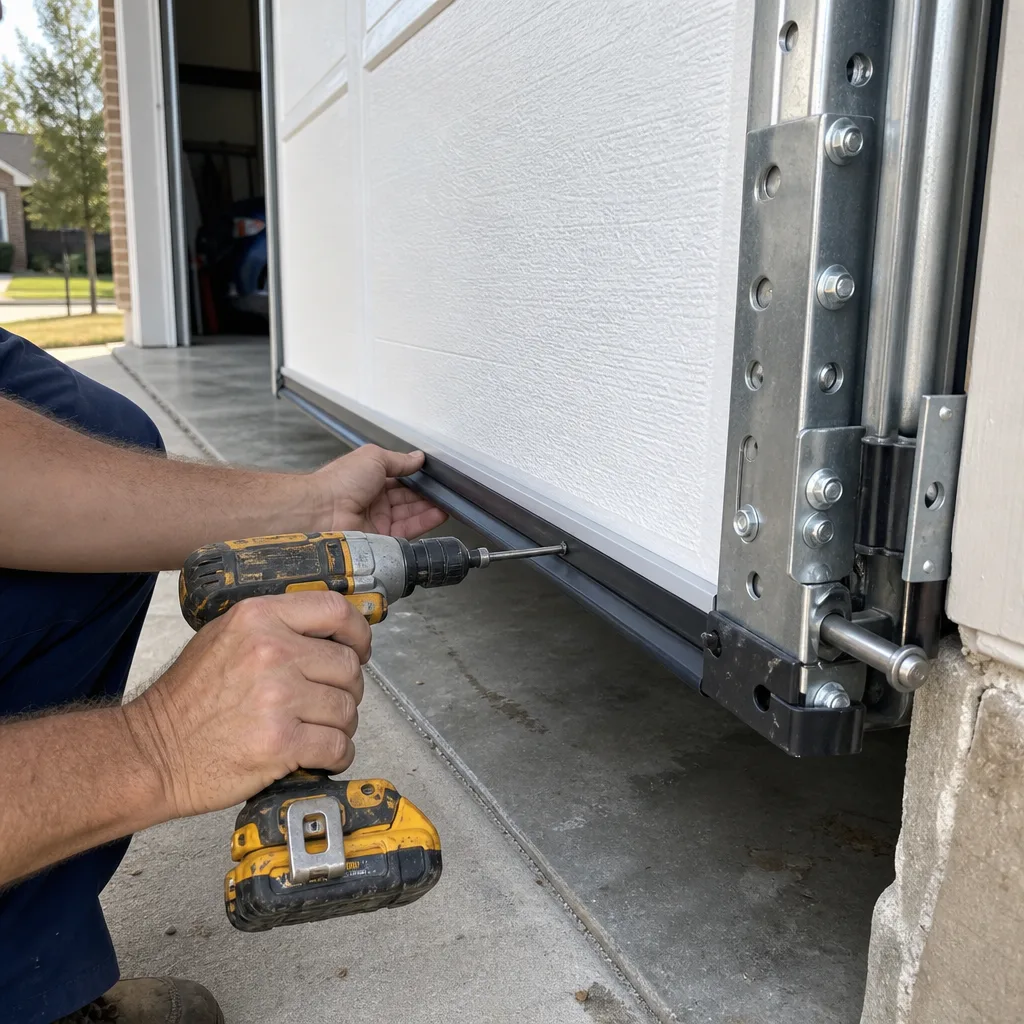
Texas and Allen code treat a like-for-like garage door replacement as cosmetic work that typically needs no city permit. The moment you touch the header, change the rough opening, or run new wiring, the picture changes, and the city wants a permit. HOAs in Allen run their own parallel review on aesthetics and can block a project the city approved. If you’re buying, verify the permit history on the garage before closing, and treat any “permitted but not inspected” record as an open item. When the work needs to be documented properly, Servo Garage Doors Allen does it under The Haven Standard: written price first, photo record after, and the 365-Day Done Right Promise on every job. Call (469) 613-4703 for a free estimate in Allen.
Written by Marcus Deller, Owner at Servo Garage Doors Allen, serving Allen since 2015.